Blockbusters: A Razor-Sharp Satire That Reimagines Hollywood’s Downfall
Guest Column by James Lowe

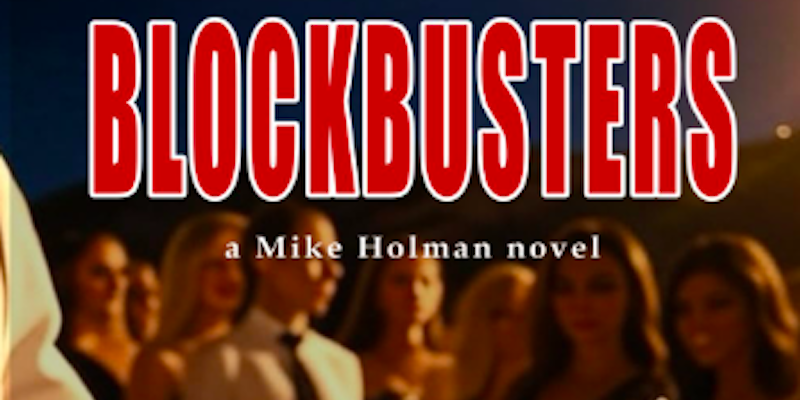
Scott McKay’s Blockbusters, the third installment in the Mike Holman series, is a triumphant blend of political thriller, cultural commentary, and laugh-out-loud satire. Clocking in at 296 pages, this novel picks up where previous entries King of the Jungle and From Hellmarsh With Love left off, thrusting the indomitable journalist Mike Holman into the glittering yet grotesque world of Tinseltown. If you’ve followed Holman’s adventures—from toppling corrupt regimes to exposing global scandals—you’ll find this outing his most audacious yet. McKay masterfully channels the frustrations of audiences weary of Hollywood’s “woke” misfires, delivering a story that’s as entertaining as it is timely. At its core, Blockbusters is a rallying cry for reclaiming American storytelling from corporate greed and ideological overreach.
The plot kicks off with Holman, fresh from his journalistic triumphs and a bestselling biography of billionaire industrialist Pierce Polk, his old college roommate and financial backer, deciding to pivot from newsrooms to film production. Armed with Polk’s resources and a fresh, revolutionary approach to film production courtesy of new allies in tech and some Hollywood outsiders he’s cultivated, Holman sets out to dismantle the entertainment industry’s stranglehold.
What follows is a whirlwind of high-stakes meetings, shady deals, and betrayals that expose the underbelly of Hollywood. McKay structures the narrative as a serialized adventure, with chapters unfolding like episodes in a binge-worthy series. Early scenes in Los Angeles capture the absurdity of industry gatekeepers—executives who dismiss timeless stories as “stuck in the 1980s” while greenlighting flops laden with forced agendas. Holman’s journey takes him from glamorous parties to gritty exposés, culminating in a bold effort to build an “alt-Hollywood” in unlikely locales like Corpus Christi and Baton Rouge. Without spoiling key twists, the story weaves in real-world parallels to box-office bombs and celebrity scandals, making it feel ripped from today’s headlines.
Holman remains the series’ compelling anchor: a brash, principled everyman who’s equal parts investigator and provocateur. McKay fleshes him out with relatable personal stakes—his marriage to PJ adds emotional depth, as her aversion to Hollywood’s toxicity forces Holman to confront his own ambitions. Supporting characters shine too: Pierce Polk emerges as a larger-than-life mentor, a no-nonsense tycoon who sees entertainment as a battlefield for cultural revival. Villains like Barry Blondheim, a sleazy mogul entangled in a web of corruption, are caricatured just enough to amplify the satire without descending into cartoonishness.
Then there are the underdogs—tech whizzes, disillusioned screenwriters, and even a reformed rapper—who join Holman’s crusade, representing the untapped talent stifled by the system. These figures aren’t mere foils; they humanize the novel’s broader critique, showing how ordinary people can disrupt entrenched power.
Thematically, Blockbusters is a scathing takedown of Hollywood’s decline. McKay skewers the “woke” mandates that prioritize messaging over merit, resulting in films that bomb at the box office while alienating audiences. Through Holman’s eyes, we see an industry riddled with hypocrisy: executives preaching diversity while engaging in exploitation, and studios churning out “girlboss” narratives that ring hollow. The AI app Holman leverages to take down the film industry status quo serves as a clever metaphor for democratization—empowering fans to bypass gatekeepers and create content that resonates.
Yet McKay doesn’t shy away from nuance; he explores the risks of technology, like job losses for traditional artists, and the personal toll of challenging the establishment. The satire is savage but substantiated, drawing on real events like high-profile flops and scandals to make its points. Amid the humor—think awkward celebrity encounters and absurd pitch meetings—there’s a heartfelt plea for uplifting stories that celebrate heroism, family, and American values.
McKay’s writing is crisp and propulsive, with dialogue that crackles like a prime-time debate. His journalistic background lends authenticity to the insider details, from studio politics to production logistics. The pacing never lags, balancing action-packed sequences (raids, takeovers) with quieter moments of reflection. This review can only scratch the surface, but Blockbusters rewards multiple reads, revealing layers of wit and wisdom. It’s not just a novel; it’s a blueprint for cultural renewal in an era of media malaise.
In short, if you’re fed up with preachy blockbusters and crave intelligent escapism, grab Blockbusters. McKay has crafted a winner that entertains while inspiring hope for better entertainment. Fans of the series will love Holman’s evolution; newcomers can jump in without missing a beat. Five stars—highly recommended for anyone who believes stories should unite, not divide.
James Lowe is a two-decade radio industry veteran and now host of his own nationally syndicated radio show based in Kansas and carried on the Iheartradio App. Find out more at jiggyjaguar.com.