Hostages, Heroes, Murderers & Martyrs — Who They Are And How To Tell The Difference
With news orgs talking about 'prisoner exchanges' let us brush away any ambiguity here

Language matters… and this last month has thrown a lot at us, from Charlie Kirk and 9/11 to the anniversary of 10/7 and first steps toward peace. We’ve blurred the line in language, and this is a great time to clear them up.
Especially in light of news organizations blurring the lines by calling the exchange of kidnapped and abused civilian hostages for tried and convicted criminals who served time in prison with the same food and amenities of any other convicted criminals. The langugage battles following the Charlie Kirk murder and with pro-Hamas protesters calling Sinwar and other involved in the original 10/7 attack ‘martyrs’
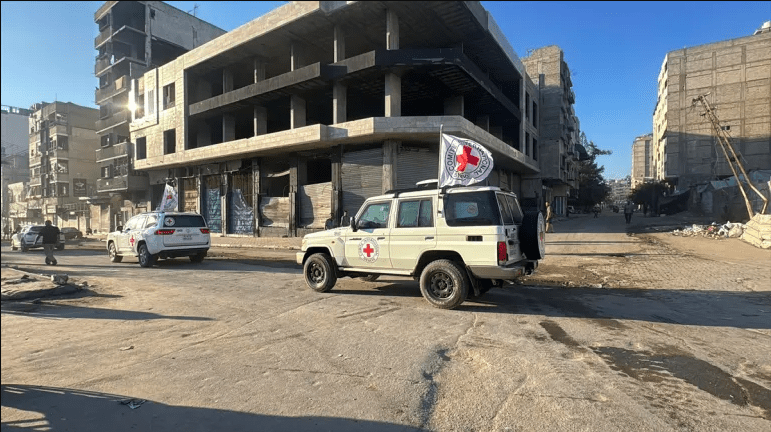
Hostages
The simplest of the terms in our list is ‘hostage’. When someone is captured and held, not for the commission of a crime, but because of what someone stands to gain by holding you for ransom. The reasons someone might be held hostage are as diverse as the personalities who might try it. An ordinary criminal might be looking for a quick buck, or to abuse the detainee whether physically or sexually. Others might have larger aims, to use the captured person as a bargaining chip to force concessions that would not otherwise be granted.
The poor souls held captive in those Hamas tunnels have been (sadly) both.
The temptation to elevate them beyond mere victims to call them ‘heroic’ or some other, similar ennobled word is understandable, but not altogether honest. They are in a situation where even their agency has been stripped of them. However much we might want to dress it up, there is nothing ‘noble’ about what they are going through, their only real options were to endure or to give up and succumb.
Heroes
When we think of heroes, we think of the firefighters who ran toward the Twin Towers on 9/11, or maybe Todd Beamer’s famous ‘let’s roll’ before leading passengers to fight back on the plane. We think of the brave stand of the four Americans in Benghazi, in particular, the two Navy Seals who fought like hell to keep their protectees alive against impossible odds. We think of those Russian engineers who gave their lives in Chernobyl to drain the radioactive water before it became a steam explosion that made the disaster orders of magnitude worse. Heroes exist in peacetime and danger, when they step up and do hard, dangerous, or difficult things to make the world a better place or benefit someone besides just themselves.
Murderers
This is a word that shouldn’t be hard to understand. Killing motivated by malice. The soldier shooting a stranger in the opposite trench, a homeowner shooting a criminal breaking into his house, or a cop letting the air out of a crazed gunman are not ‘killing motivated by malice’.
It’s that next word where the lines get blurred the most… especially when you’ve got different people with different religious assumptions using the word differently.
What is a Martyr?
We see a couple of different definitions in play. A religion whose founder was known as the ‘prophet of the sword’, despite practitioners now calling it the ‘religion of peace’ have a different understanding of that word than others. To fall in battle while attacking your enemies is to die a martyr’s death. To strap on a suicide vest and blow up a bus station or a wedding also counts as a ‘martyr’s death’. As might, say, crashing a plane into an office tower. To die in such a grisly manner (they claim) is to step into a paradise beyond human comprehension as the reward of their faithful service to their god.
Another, older, group uses that same word. But they use it in a very different way. The word martyr comes from the greek word μάρτυς (mártys), meaning “witness”. Which means to say, a Christian martyr was testifying to the truth of something. That ‘something’, obviously was the gospel, the the death, ressurection, and ascention of the Lord Jesus Christ. It was an unwillingness to ascribe worship to any god or man that set themself as Christ’s rival, even when the punishment for such refusal is the death that awaits any other ‘treasonous subersive’. They shocked crowds in their willingness to sing hymns even as wild creaters mauled them to death in the areans, or as the torches were set to the pyres at their feet.
One group claimed the name ‘martyr’ as an honorific for someone willing to INFLICT suffering on a group deemed ‘hostile’.
The other group used it to describe those willing to endure, or even embrace, suffering at the hands of a group that is hostile to them… with the hope that they (like, say, Jim Elliot, so many centuries later) would be the catalyst for the gospel reaching even to those groups who mean them harm.
With more than 1,000,000 Persian and Arab converts to Chrisitan faith in a country that had maybe 500 believers at the time of Iran’s theocratic revolution, there is something in that kind of selfless Christian faith that the West might want to reacquaint itself with… while we still have the chance.